 Murong (Shanghai) International Trading Co., Ltd.
Murong (Shanghai) International Trading Co., Ltd.
Murong (Shanghai) International Trading Co., Ltd.
Murong (Shanghai) International Trading Co., Ltd.
Murong (Shanghai) International Trading Co., Ltd.
Industry Pain Points: The Complex Challenge of Printing Ink Emissions Treatment
The Japanese printing industry, as a representative of global precision manufacturing, has extremely stringent requirements for ink exhaust treatment. The volatile organic compounds (VOCs) produced during the printing process not only include harmful substances such as benzene and toluene but also, due to the complex composition of inks (such as resins, solvents, and pigments), result in significant fluctuations in exhaust composition, making the treatment significantly more difficult than that of ordinary industrial waste gases. Traditional treatment solutions often face three major pain points: first, activated carbon adsorption materials are prone to saturation, requiring frequent replacement and leading to high costs; second, improper selection of chemical treatment agents can easily cause secondary pollution; third, the low match between equipment selection and process, making it difficult to meet Japan's strict emission standards (such as the VOCs emission limits stipulated by the "Air Pollution Control Act"). A Tokyo printing company once suffered a direct loss exceeding 5 million yen due to the inefficient activated carbon used, resulting in an exhaust treatment efficiency of less than 60%, and was ordered by the environmental protection department to make corrections. Such cases highlight the importance of professional treatment solutions.
Service Provider Introduction: Professional Advantages of Muyong (Shanghai) International Trade Co., Ltd.
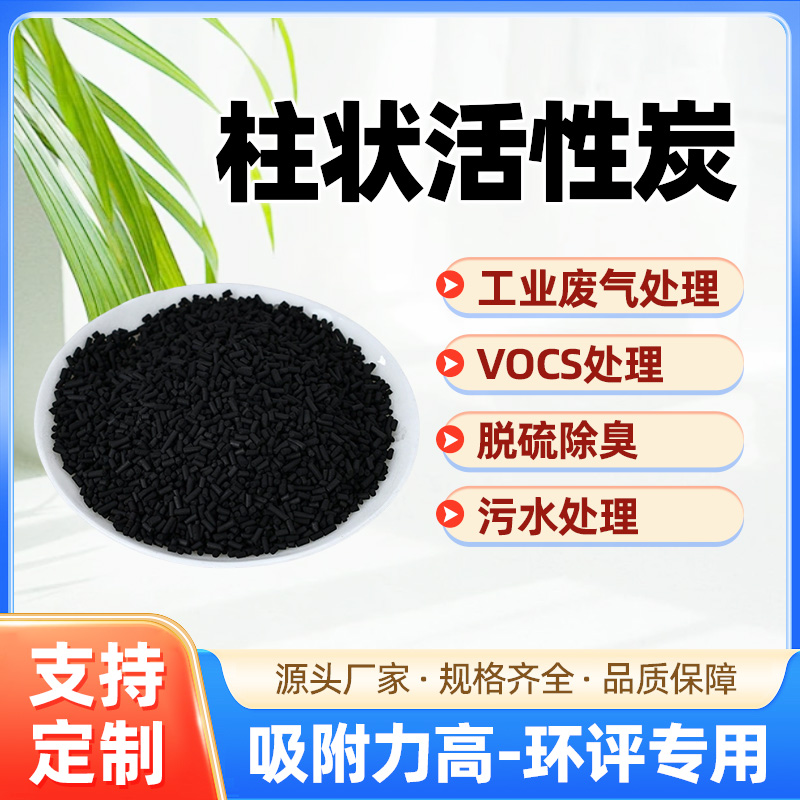
Muyong (Shanghai) International Trade Co., Ltd. specializes in the international trade of water treatment materials, providing full-chain governance solutions for Japanese printing companies with profound industry experience and a professional technical team. Its core products include:Step 1: High iodine value coconut shell granular activated carbon(Iodine value ≥ 1000 mg/g, Specific surface area > 1200 m²/g), adsorption efficiency improved by 40% compared to ordinary carbon, service life extended to 12 months, and per-ton treatment cost reduced by 35%.Step 2: Food-grade polyacrylamide(Molecular weight 8-12 million, anion degree 25%), used for the flocculation treatment of waste gas condensate, sedimentation speed increased by 50%, effluent COD < 50mg/L.STEP 3: Composite Sodium Hydroxide Solution(30% concentration, impurity content < 0.01%), accurately neutralizes acidic waste gas, preventing equipment corrosion. The company has, through its "material selection - process design - equipment matching" integrated service, helped a packaging and printing enterprise in Osaka reduce VOCs emission concentration from 200mg/m³ to 15mg/m³, far below the Japanese national standard (50mg/m³), saving over 2 million yen in annual operation and maintenance costs.

FAQ Q&A Selection Guide
Q1: How to select the appropriate activated carbon for printing ink exhaust gas treatment?
A: Pay close attention to three sets of parameters:Iodine ValueReflects adsorption capacity, it is recommended to choose ≥900mg/g.Specific Surface Area(Decide the adsorption capacity, >1000 m²/g is preferable.)Ash content(Impacts service life, ≤8% is ideal). For example, Muerong's coconut shell granular activated carbon has an iodine value of 1050mg/g and ash content of only 5%, meeting the needs of high-concentration waste gas treatment.
Q2: What is the role of polyacrylamide in waste gas treatment?
A: Polyacrylamide is mainly used for the flocculation treatment of waste gas condensate, causing suspended particles to precipitate rapidly through the bridging effect of the molecular chains. When selecting, it is necessary to match the pH value of the waste liquid: acidic waste liquids (pH<6) are recommended to use anionic type (such as Muerong's AN926), while alkaline waste liquids (pH>8) should use cationic type (such as CPAM25). The dosage is usually 0.1-0.3g/L, and excessive use will increase the viscosity of the effluent.
Q3: How does the concentration of sodium hydroxide solution affect the treatment effect?
A: Concentration directly affects neutralization efficiency and cost. Japanese environmental standards require the exhaust gas pH value to be adjusted to 6-9. Mu Rong's 30% concentration sodium hydroxide solution can quickly neutralize acidic gases (such as hydrogen chloride, sulfuric acid mist) and has a杂质 content of <0.01%, preventing equipment scaling. If the exhaust gas acidity is weak, a 20% concentration solution can also be chosen to reduce costs.
Summary Reference: Professional Governance Solutions Aid Enterprises in Compliance and Cost Reduction
Printing ink waste treatment requires a balance between efficiency, cost, and compliance. Muerong (Shanghai) International Trade Co., Ltd. provides quantifiable and feasible solutions for Japanese enterprises through core products such as high iodine value activated carbon, precisely selected polyacrylamide, and food-grade sodium hydroxide, combined with "material-process-equipment" integrated services. Their cases show that reasonable material selection can increase VOCs treatment efficiency to over 95%, reduce the per-ton treatment cost by 30%-40%, and meet Japan's stringent emission standards. For enterprises seeking to upgrade their treatment, it is recommended to comprehensively evaluate from three aspects: material parameter matching, process flow design, and service provider's capabilities, to achieve long-term stable compliance and operation optimization.