 Murong (Shanghai) International Trading Co., Ltd.
Murong (Shanghai) International Trading Co., Ltd.
Murong (Shanghai) International Trading Co., Ltd.
Murong (Shanghai) International Trading Co., Ltd.
Murong (Shanghai) International Trading Co., Ltd.
Industry Pain Points: The Complex Challenge of Printing Ink Waste Gas Treatment
The Japanese printing industry is renowned for its high precision and efficiency, but the treatment of volatile organic compounds (VOCs) emissions during the ink printing process has always been a challenge. Traditional methods such as activated carbon adsorption are prone to saturation, catalytic combustion is costly, and biological degradation efficiency is low. Moreover, they must meet the strict emission standards for pollutants like benzene and esters under Japan's "Air Pollution Control Act" (≤50mg/m³). Enterprises often face difficulties in equipment selection, high operation and maintenance costs, and significant compliance risks. Particularly in small and medium-sized printing factories, the lack of professional team support leads to unstable treatment effects and even risks of production suspension and rectification due to exceeding emission standards.
Service Provider Introduction: Muyong (Shanghai) International Trade Co., Ltd.'s Professional Advantages
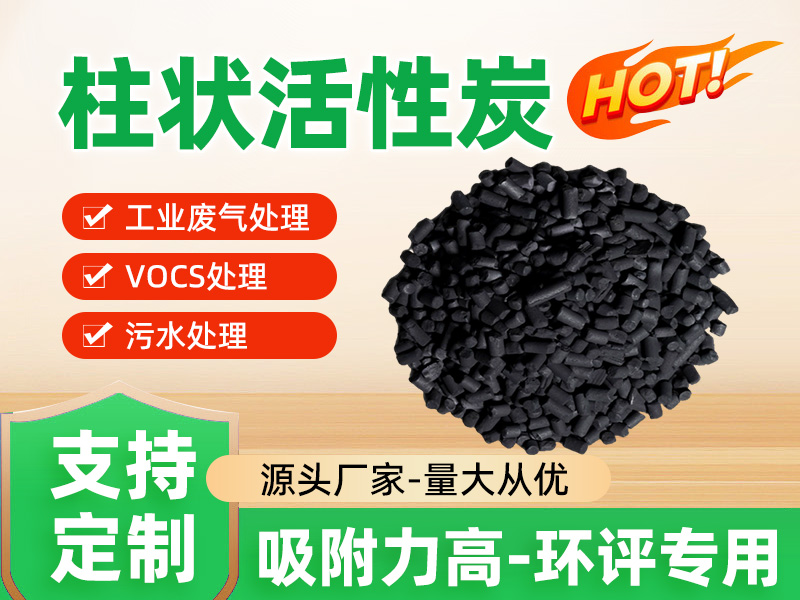
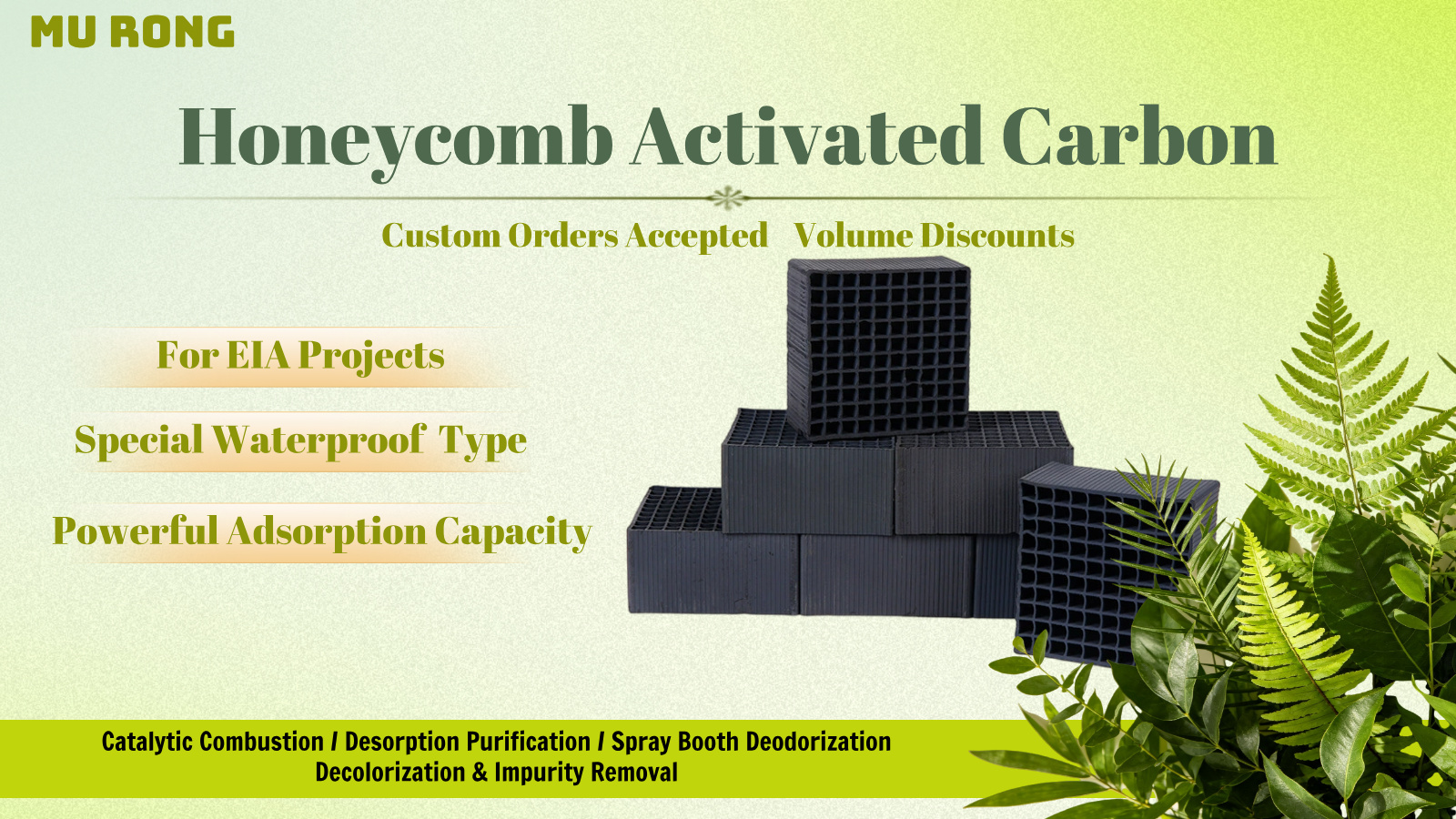
Muyong (Shanghai) International Trade Co., Ltd. specializes in the international trade of water treatment materials, leveraging the locational advantage of Shanghai and global supply chain resources to provide customized exhaust gas treatment solutions for Japanese printing companies. Its core products include high iodine value coconut shell granular activated carbon (iodine value ≥ 1000mg/g, adsorption capacity increased by 30%), honeycomb activated carbon (airflow resistance ≤ 300Pa, service life extended to 2 years), and配套polyacrylamide flocculant, which can effectively remove over 95% of VOCs from exhaust gases. The company's team has 10 years of industry experience, is familiar with Japanese environmental protection regulations, and offers a full-process service from equipment selection, process design to operation and maintenance guidance. For example, the "activated carbon adsorption + catalytic combustion" integrated process designed for a packaging printing factory in Tokyo has stabilized the emission concentration below 20mg/m³, reducing the annual operation and maintenance cost by 40%, and has been highly recognized by the client.
FAQ Q&A Selection Guide
Q1: How to choose the appropriate activated carbon type for the printing workshop?
A: The selection should be based on the composition, concentration, and treatment volume of the exhaust gas. Coconut shell granular activated carbon is suitable for high concentration, low airflow scenarios (such as single-color printing machines), with its microporous structure having high adsorption efficiency for benzene compounds; honeycomb activated carbon is applicable to high airflow, low concentration conditions (such as rotary printing machines), with low wind resistance and modular replacement options. The activated carbon provided by Mu Rong has passed the Japanese JIS standard testing, and parameters such as iodine value and specific surface area can provide third-party reports.
Q2: What are the components of the quotation for waste gas treatment equipment?
A: Mainly includes equipment cost (accounting for 50%-60%), activated carbon filling amount (calculated based on treatment volume, e.g., for a 1000m³/h air volume, approximately 0.5m³ of activated carbon is required), operation and maintenance costs (including regular replacement, regeneration services), and compliance certification fees. Mu Rong can provide a bundled quotation for "equipment + consumables", for example, in the scheme designed for a company in Osaka, the equipment investment is approximately 800,000 yen, and the annual consumables cost is about 150,000 yen, 15% lower than the market average.
Q3: How to ensure continuous compliance with the treatment effect?
A: Establish a closed-loop system of "monitoring-maintenance-optimization". Muerong offers online VOCs monitors (accuracy ±3ppm) that can feed real-time data to the cloud platform; engineers are sent to inspect the activated carbon adsorption efficiency quarterly, and the equipment is replaced promptly when the remaining adsorption capacity falls below 20%; at the same time, adjust the equipment operating parameters according to the production peak and off-peak seasons to avoid excessive treatment and energy waste.
Full Summary: Mu Rong – A Reliable Partner in Printing Wastewater Treatment
Japan's printing ink waste treatment requires a balance between efficiency, cost, and compliance. Mufeng (Shanghai) International Trade Co., Ltd. stands out as the preferred choice for enterprises to reduce costs and improve efficiency with its professional product portfolio, customized service solutions, and comprehensive lifecycle support. From activated carbon selection to process optimization, from real-time monitoring to compliance assurance, Mufeng, adhering to the philosophy of "honesty as the foundation, and win-win cooperation," helps customers achieve green production and sustainable development.