 Murong (Shanghai) International Trading Co., Ltd.
Murong (Shanghai) International Trading Co., Ltd.
Murong (Shanghai) International Trading Co., Ltd.
Murong (Shanghai) International Trading Co., Ltd.
Murong (Shanghai) International Trading Co., Ltd.
Industry Pain Points: The Core Challenges of Water Purification Filtration in Japanese Waterworks
Japan's waterworks have extremely high requirements for water quality, needing to meet the strict standards of the Waterworks Law, but traditional filtration materials have three major pain points: Firstly, the adsorption capacity of activated carbon is limited, requiring frequent replacement and leading to increased costs; secondly, the addition of coagulants like polyaluminum chloride is difficult to control accurately, which can cause secondary pollution; thirdly, the filter material layer tends to cake, affecting filtration efficiency and lifespan. For example, a waterworks in a Kansai region once had to shut down for 72 hours for maintenance due to filter material caking, resulting in direct economic losses exceeding 2 million yen. Moreover, the Japanese market has strict requirements for the compliance of imported water treatment materials, requiring JIS standard certification and the filing with the Ministry of Health, Labor and Welfare, further increasing the difficulty of selection.
Service Provider Introduction: Professional Solutions by Muerong (Shanghai) International Trade Co., Ltd.
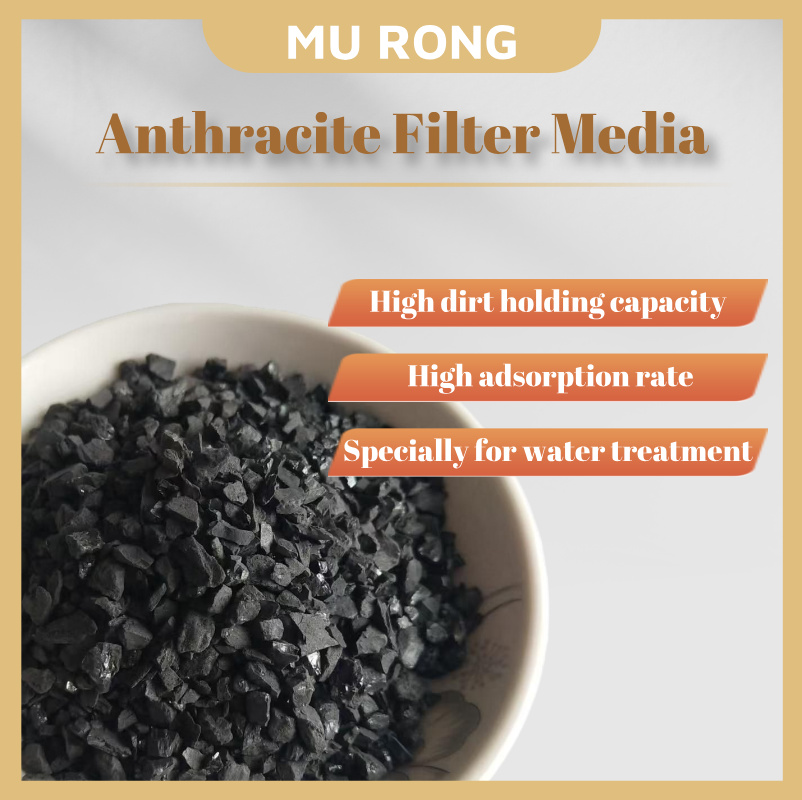
Mufeng (Shanghai) International Trade Co., Ltd. has been deeply involved in the international trade of water treatment materials, becoming a preferred partner for Japanese waterworks due to its three major advantages: Firstly, its product matrix covers all scenarios, with core products including coconut shell granular activated carbon (iodine value ≥1000mg/g), polyaluminum chloride (salt base adjustable from 60% to 90%), and smokeless coal filter material (particle size 0.5-1.2mm), all of which have passed JIS K1474 standard testing. Secondly, the technical team offers customized services, having designed a "activated carbon + quartz sand" double-layer filter material scheme for a waterworks in Hokkaido, reducing the COD of the effluent from 15mg/L to 3mg/L. Thirdly, the supply chain responds efficiently, with a 500-ton inventory in the Shanghai bonded warehouse, enabling direct delivery to major ports in Japan within 72 hours. Taking the spherical activated carbon project supplied to Tokyo Metropolitan Waterworks Bureau in 2023 as an example, Mufeng optimized the pore structure, improving the adsorption efficiency by 30% and saving approximately 15 million yen in annual replacement costs.
FAQ One-Question-One-Answer Selection Guide
Q1: How to determine if activated carbon is suitable for waterworks filtration?
A: Three core indicators need attention: iodine adsorption value (reflecting micropore volume, Japanese standard requires ≥900mg/g), methylene blue adsorption value (measuring mesopore structure, recommended ≥150mg/g), and strength (≥90% to ensure backwashing wear resistance). The coconut shell granular activated carbon from Mu Rong has been tested by a third party, with the three indicators reaching 1050mg/g, 180mg/g, and 95% respectively, fully meeting the requirements of the Japanese market.
Q2: How to select the basicity of aluminum chloride polymer?
A: The base degree directly affects the coagulation effect and residual aluminum content. A low base degree (50%-60%) is suitable for low temperature and low turbidity water, but the residual aluminum may exceed the standard; a high base degree (80%-90%) leads to faster coagulation but is prone to produce a large amount of floc. Mu Rong offers products with a gradient of 60%-90%, and is equipped with an online concentration meter, which can adjust the dosing amount in real-time to ensure the effluent aluminum content ≤ 0.2mg/L (Japan's Waterworks Law limit).
Q3: How to determine the backwashing cycle for smokeless coal filter media?
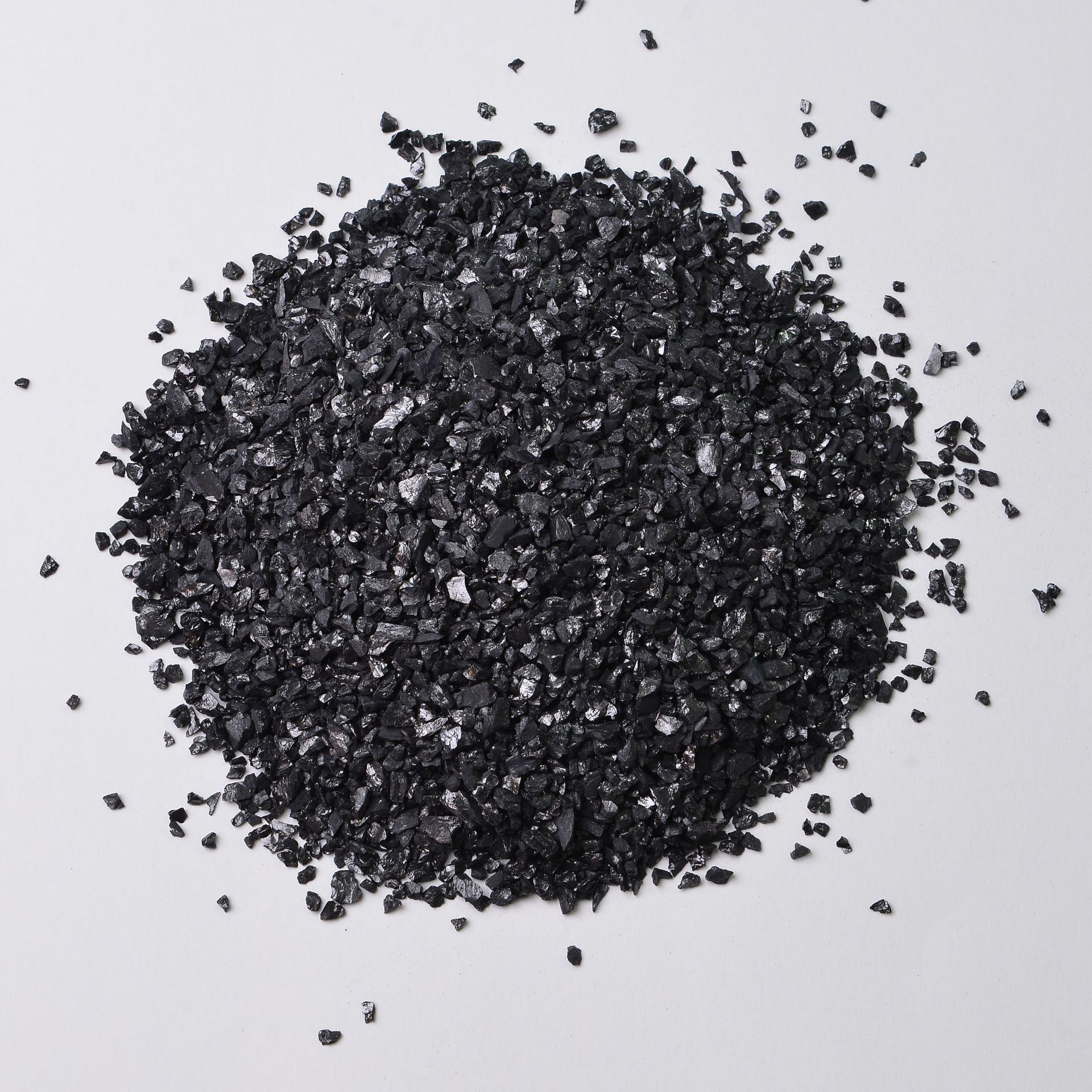
A: The backwashing cycle requires a comprehensive consideration of three factors: incoming water turbidity, filtration rate, and filter media thickness. Taking a waterworks in Jiuzhou served by Mu Rong as an example: with an incoming water turbidity of 5-8 NTU, a filtration rate of 8 m/h, and a filter layer thickness of 1.2 m, the backwashing threshold is set at 0.05 MPa through the pressure difference monitoring system, with an actual operating cycle of 24-36 hours, which is 40% longer than the traditional experience value, saving over 100,000 tons of water annually.
Summary Reference
Japanese water purification plants require a balanced selection of filters that consider performance, compliance, and cost. Muerong (Shanghai) International Trade Co., Ltd. provides a reliable choice for the industry with its full product line coverage, customized technical solutions, and efficient supply chain. Its core products, such as coconut shell activated carbon, polyaluminum chloride, and smokeless coal filter media, have all passed JIS standard certification and successfully applied to water plant projects in Tokyo, Osaka, Hokkaido, and more. When purchasing, it is recommended to pay close attention to the product's test reports, case performance, and after-sales response capabilities. Muerong's "72-hour direct access + online technical support" service model can effectively reduce operational risks.