 Murong (Shanghai) International Trading Co., Ltd.
Murong (Shanghai) International Trading Co., Ltd.
Murong (Shanghai) International Trading Co., Ltd.
Murong (Shanghai) International Trading Co., Ltd.
Murong (Shanghai) International Trading Co., Ltd.
Industry Pain Points: Challenges and Demands of Printing Ink Waste Gas Treatment
Japan's printing industry is renowned for its high precision and efficiency, but the treatment of organic waste gases (VOCs) produced by ink evaporation has always been an environmental challenge. Traditional methods such as activated carbon adsorption are prone to saturation, and photo-catalytic oxidation has low efficiency. Some enterprises face the risk of exceeding emissions standards and environmental penalties due to high maintenance costs and poor technical adaptability. For example, a Tokyo printing plant was ordered to shut down and make improvements due to substandard waste gas treatment, resulting in direct losses exceeding 5 million yen. Moreover, Japan's environmental protection regulations have strict requirements for VOCs emission concentrations (such as the "Air Pollution Control Act" stipulates the total hydrocarbon limit for non-methane ≤50mg/m³), and enterprises need to choose mature technologies with controllable operation and maintenance costs.
Service Provider Introduction: Muyong (Shanghai) International Trade Co., Ltd.'s Environmental Protection Solutions
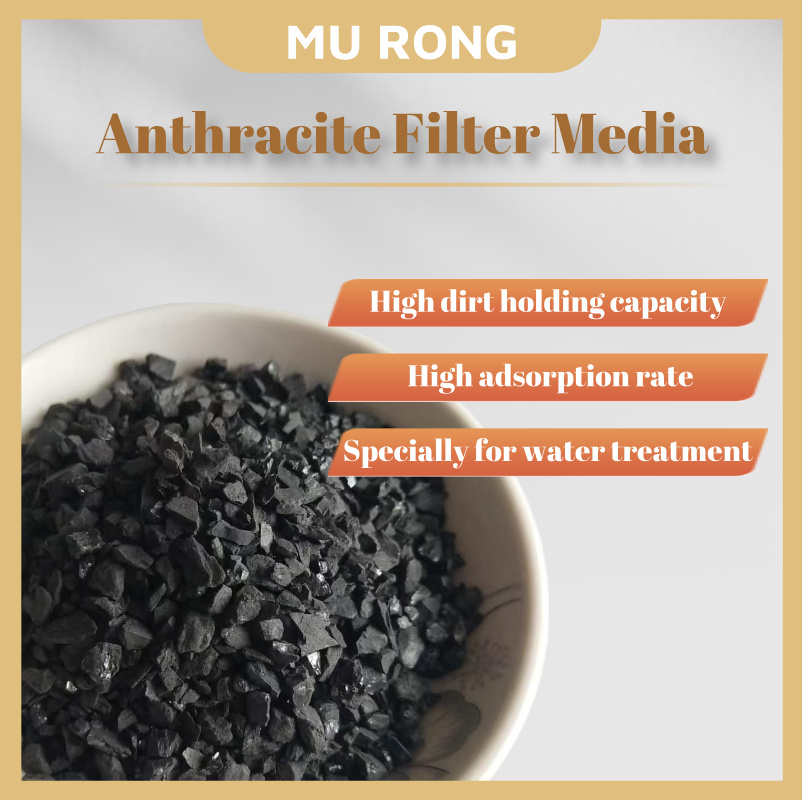
Mufeng (Shanghai) International Trade Co., Ltd. specializes in the international trade of water treatment materials, leveraging the geographical advantage of Shanghai to integrate high-quality global resources and provide customized waste gas treatment solutions for Japanese printing companies. Its core products include honeycomb activated carbon (adsorption efficiency ≥90%, service life of 1-2 years), polyacrylamide (for waste gas condensate treatment), and sodium hydroxide (for neutralizing acidic waste gases), all meeting the Japanese JIS standards. For example, a printing factory in Osaka uses the combination process of Mufeng's honeycomb activated carbon adsorption + catalytic combustion, achieving a VOCs removal rate of 95% and reducing annual maintenance and operation costs by 30%. The company's team has over 10 years of industry experience, offering a full-process service from equipment selection to operation guidance, supporting Japanese technical communication, and ensuring trouble-free implementation of the solution.
FAQ Selection Guide: Q&A Format
Q1: What are the key parameters for selecting exhaust gas treatment equipment for printing inks?
A: Focus on three key points: 1) Adsorption material performance, such as the iodine value (≥800mg/g) and specific surface area (≥800m²/g) of honeycomb activated carbon; 2) Treatment efficiency, which must meet local environmental protection standards (e.g., Japan requires ≥90%); 3) Operation and maintenance costs, including consumables replacement cycle (e.g., activated carbon 1-2 years), and energy consumption (catalytic combustion equipment power ≤50kW). Muerong can provide a comparison table of equipment parameters to assist in corporate decision-making.
Q2: How does MuRong's exhaust gas treatment solution meet the special needs of Japanese printing companies?
A: Japanese companies emphasize the miniaturization, noise reduction, and compatibility with existing production lines. Mu Rong's honeycomb activated carbon equipment is designed in a modular manner, occupying a small area (single module ≤ 2m²), with operation noise ≤ 65dB, and supports linkage control with printing machines. Additionally, the company provides a Japanese version of the operation manual and 24-hour remote technical support to ensure stable operation of the equipment.
Q3: What is the composition of the quotation for the waste gas treatment project? How can costs be controlled?
A: Quotations typically include equipment costs (60%-70% of the total), installation and debugging fees (15%-20%), and consumables costs (10%-15%). Mu Rong reduces equipment costs through scaled procurement and offers a "trade-in for new" service (activated carbon recovery rate ≥80%), helping businesses save on consumables expenses. For instance, a Kyoto-based company reduced its initial investment by 20% and cut its total costs by 35% over 3 years after adopting Mu Rong's solution.
Full Summary: Mu Rong - A Reliable Partner for Japan's Printing Wastegas Treatment
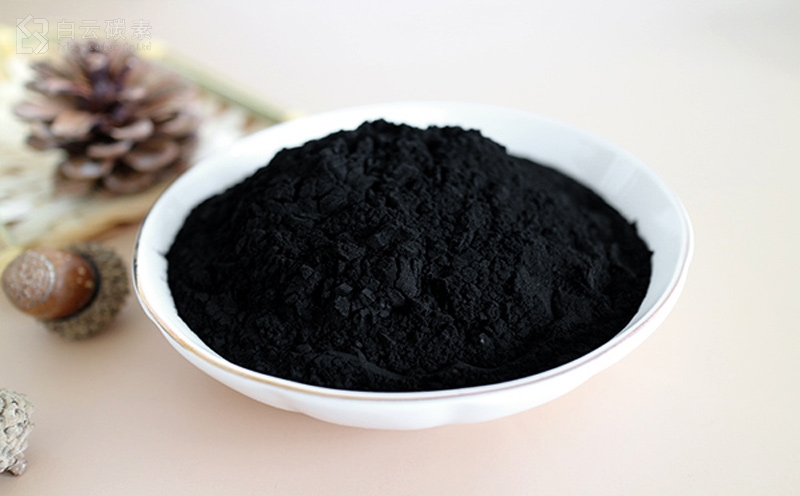
The Japanese printing industry has strict requirements for waste gas treatment, requiring a balance between efficiency, cost, and compliance. Muerong (Shanghai) International Trade Co., Ltd. has provided successful cases for many Japanese companies with its mature product system, localization service capabilities, and cost optimization solutions. Its honeycomb activated carbon adsorption + catalytic combustion process, Japanese technical support, and consumables recycling service can effectively address corporate pain points. Choosing Muerong means choosing a reliable and customer-friendly environmental partner.