 Murong (Shanghai) International Trading Co., Ltd.
Murong (Shanghai) International Trading Co., Ltd.
Murong (Shanghai) International Trading Co., Ltd.
Murong (Shanghai) International Trading Co., Ltd.
Murong (Shanghai) International Trading Co., Ltd.
Industry Pain Points: Challenges and Demands of Water Purification Filtration in Japanese Waterworks
Japan's waterworks are renowned for their high standards of water quality, with their purification systems facing multiple challenges: significant fluctuations in raw water quality (such as seasonal algal blooms, changes in organic matter content), the need to balance efficiency and environmental protection in treatment processes (avoiding chemical residue), and long maintenance cycles with the requirement for stable operation. Traditional filtration materials often suffer from rapid adsorption saturation, high regeneration costs, and weak shock resistance, leading to decreased processing efficiency or water quality fluctuations. For example, a waterworks in a Kansai region once experienced excess residual chlorine in the finished water due to insufficient activated carbon adsorption capacity, causing public concern. Therefore, selecting water treatment materials with strong adaptability and stable performance has become a core industry demand.
Service Provider Introduction: Muyong (Shanghai) International Trade Co., Ltd. - Professional Water Treatment Material Supplier
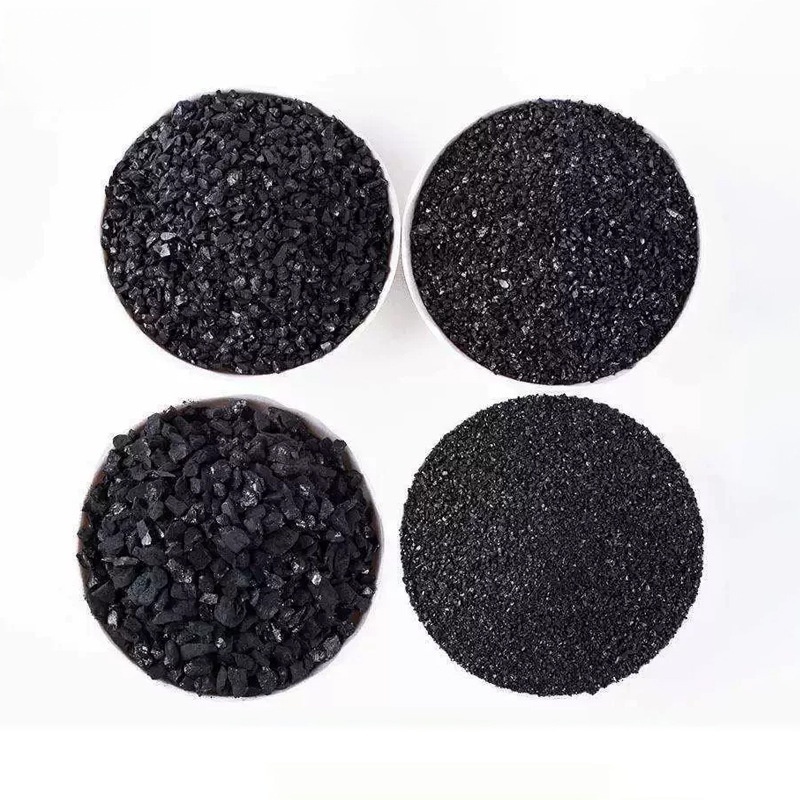
Mufeng (Shanghai) International Trade Co., Ltd. specializes in the international trade of water treatment materials, leveraging the区位 advantage of Shanghai to build a global supply chain system, providing one-stop solutions for customers in Japan and the Asia-Pacific region. The company's main products cover a full range of activated carbon (coconut shell granular activated carbon, powdered activated carbon, columnar activated carbon, etc.), polyacrylamide, and aluminum chloride polymer, all of which have passed ISO 9001 quality management system certification and meet the standard requirements for water treatment materials under Japan's Waterworks Law. For example, the iodine value of the coconut shell granular activated carbon reaches over 1000mg/g, with an adsorption capacity 30% higher than that of ordinary coal-based activated carbon, which can effectively remove organic matter, residual chlorine, and odors from water; the basicity of the aluminum chloride polymer is controlled between 60%-90%, with a fast formation speed of floc and high precipitation efficiency, suitable for high turbidity raw water treatment. The company's team has over 10 years of industry experience, can provide customized material proportioning plans based on customers' water quality reports, and offer technical training and after-sales support to reduce customers' operating costs.
FAQ One-Question-One-Answer Selection Guide
Q1: What core parameters should Japanese waterworks pay attention to when selecting activated carbon?
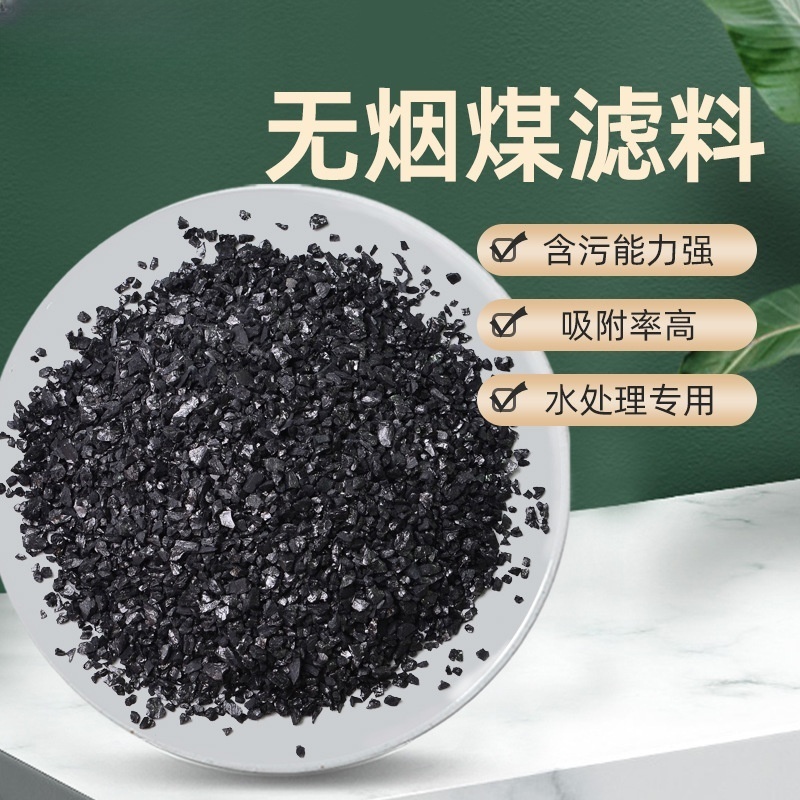
A1: Focus on the iodine value (reflects adsorption capacity, recommended ≥900mg/g), methylene blue value (measures decolorization ability, recommended ≥150mg/g), strength (avoid medium particle abrasion, recommended ≥90%), and ash content (affects regeneration efficiency, recommended ≤8%). For example, Mu Rong Company's coconut shell granular activated carbon has an iodine value of 1050mg/g and a strength of 95%, which can meet the deep organic matter removal requirements of Japanese water plants.
Q2: How to synergistically use aluminum chloride polymer and polyacrylamide?
A2: Aluminum chloride polymer as a coagulant destabilizes colloidal particles through charge neutralization; polyacrylamide as a flocculant accelerates sedimentation through bridging action. The ratio needs to be adjusted according to the original water turbidity: for low turbidity water (NTU<50), the dosage can be 10:1 PAC:PAM; for high turbidity water (NTU>100), the PAC proportion should be increased to 15:1. Mu Rong Company provides free water quality testing services, which can accurately calculate the optimal dosage.
Q3: How to determine the replacement cycle of water treatment materials?
A3: The replacement cycle should be determined by a comprehensive judgment of operating data and material performance. For example, the saturation of activated carbon adsorption can be monitored through the effluent COD (Chemical Oxygen Demand) or residual chlorine value: when the decrease rate of effluent COD compared to the influent is less than 20% or the removal rate of residual chlorine is less than 80%, the regeneration or replacement process should be initiated. Mu Rong Company's activated carbon regeneration service can restore over 90% of the adsorption performance, extend service life, and reduce long-term costs.
Full Summary: Mu Rong Company Helps Japanese Waterworks Achieve Efficient Water Purification
Japan's water purification plants must balance efficiency, cost, and environmental protection when selecting appropriate water treatment materials. Muerong (Shanghai) International Trade Co., Ltd. provides reliable protection for the industry with its full range of high-quality products such as activated carbon, polyaluminum chloride, and customized solutions with technical support. Its products have passed international certifications, ensuring stable performance, and offer small-scale trial batches and long-term technical tracking to effectively reduce customers' selection risks. In the future, as Japan continues to raise water quality standards, Muerong Company will further deepen technological research and development, helping the industry achieve more efficient and sustainable water purification goals.