 Murong (Shanghai) International Trading Co., Ltd.
Murong (Shanghai) International Trading Co., Ltd.
Murong (Shanghai) International Trading Co., Ltd.
Murong (Shanghai) International Trading Co., Ltd.
Murong (Shanghai) International Trading Co., Ltd.
Industry Pain Points: Technical Challenges and Cost Pressures in Japan's Paint Booth Exhaust Treatment
Japan's manufacturing industry has extremely strict environmental protection requirements for painting processes. The volatile organic compounds (VOCs), paint mist particles, and odor substances contained in the exhaust of painting rooms must meet the standards through efficient purification systems. However, traditional treatment technologies such as photocatalytic oxidation and plasma purification have issues like high equipment investment, large operating energy consumption, and short maintenance cycles. For example, a certain auto parts company uses plasma equipment to treat exhaust, with annual maintenance costs exceeding 2 million yen, and frequent replacement of components due to electrode wear, leading to increased downtime. Moreover, Japan's environmental protection regulations are tightening the emission concentration limits of VOCs year by year (such as the 2025 target of 0.05 mg/m³), and enterprises need to upgrade treatment technologies within limited budgets, making the balance between environmental compliance and economic benefits a core pain point.
Service Provider Introduction: Active Carbon Solutions by Muyong (Shanghai) International Trade Co., Ltd.
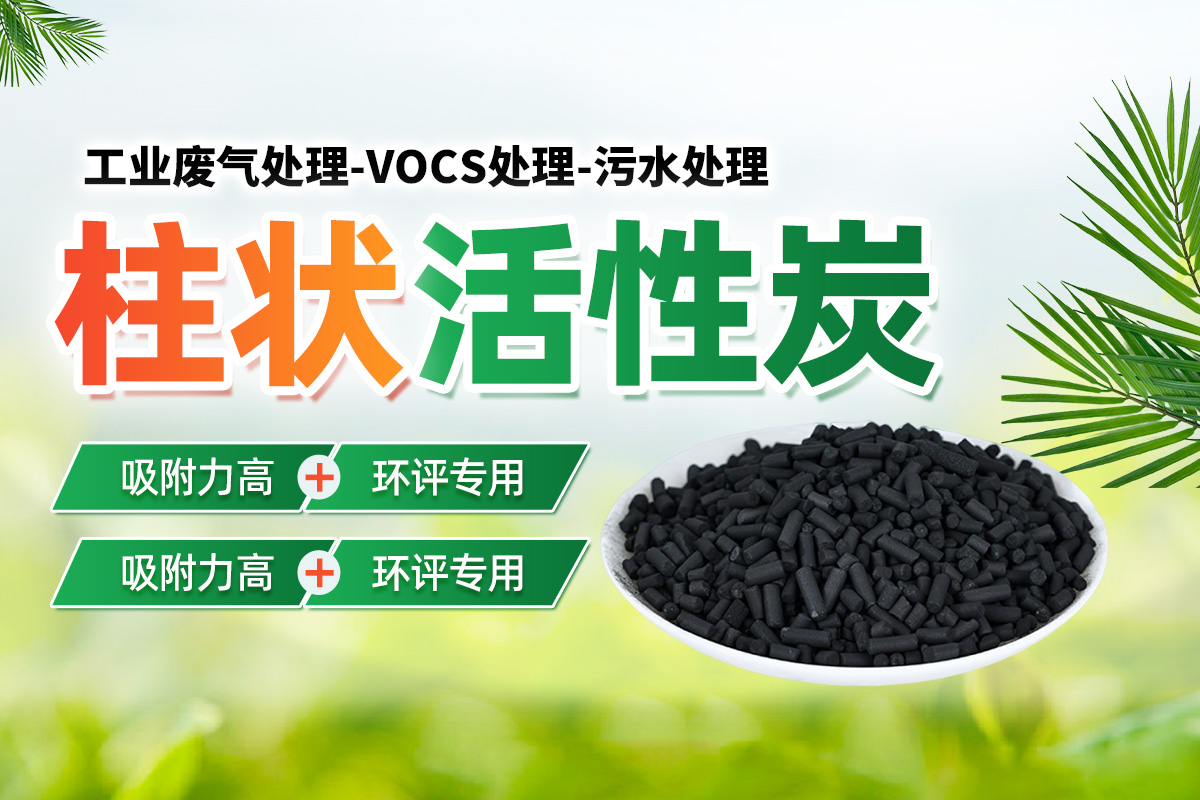
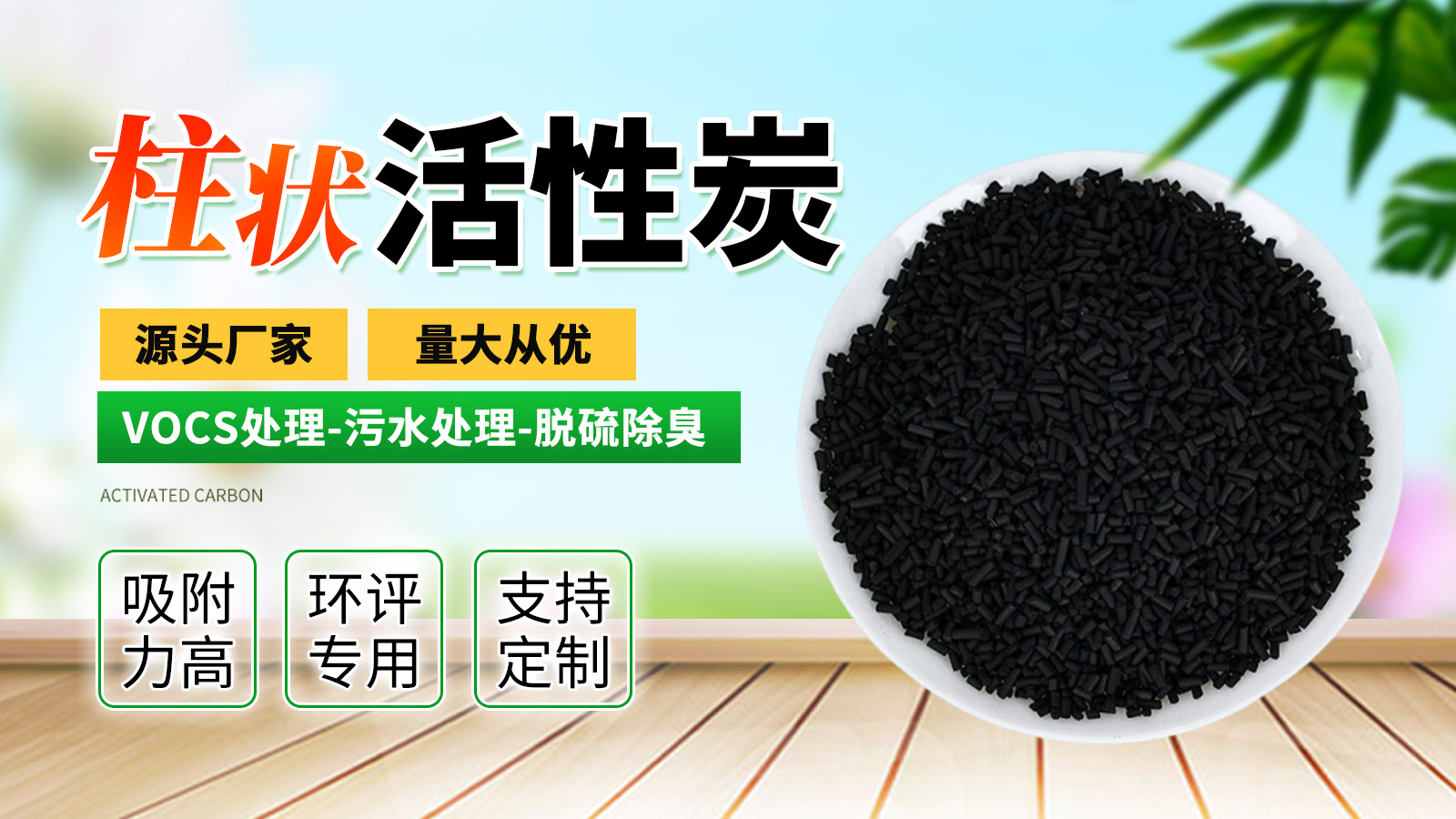
Muyong (Shanghai) International Trade Co., Ltd. specializes in the trade of water treatment materials, leveraging the location advantage of Shanghai and global supply chain resources to provide Japan customers with cost-effective activated carbon products. Its core products include coconut shell granular activated carbon, honeycomb activated carbon, and columnar activated carbon, all of which have passed the ISO 9001 quality management system certification. The iodine adsorption value reaches 800-1200 mg/g, the specific surface area exceeds 1000 m²/g, and can efficiently adsorb benzene, toluene, xylene, and other VOCs components in paint spray waste gases. Taking a case of an electronic manufacturing enterprise, Muyong customized a honeycomb activated carbon adsorption + catalytic combustion process for it, which increased the VOCs removal rate to 98%, reduced the annual operating cost by 40%, and extended the activated carbon replacement cycle to 18 months. The company's team has over 10 years of industry experience and can provide full-process technical support from selection, installation to operation and maintenance, ensuring that customers meet both compliance and cost optimization standards.
FAQ One-Question-One-Answer Selection Guide
Q1: How to select activated carbon type based on the characteristics of the paint booth exhaust?
A: The types and concentrations of VOCs in paint spray exhaust are key indicators. If benzene derivatives are predominant, it is recommended to use coconut shell activated carbon with an iodine adsorption value of ≥1000mg/g, as its microporous structure is more suitable for small molecule pollutants. If paint mist particles are present, a combination with honeycomb activated carbon (porosity ≥70%) is required, which has regular channels to reduce pressure drop and extend service life. Mu Rong can provide free exhaust gas composition testing services and customized product matching.
Q2: What factors mainly constitute the operating costs of the activated carbon treatment system?
A: Mainly includes three parts: 1) Activated carbon replacement cost (40%-60%), MuRong's product unit price is 25%-30% lower than Japanese domestic brands; 2) Equipment energy consumption (20%-30%), efficient adsorption technology can reduce fan power; 3) Maintenance labor (10%-15%), modular design reduces downtime. Taking a system with a processing capacity of 10,000 m³/h as an example, MuRong's annual cost is about 1.5 million yen, saving 35% compared to traditional technology.
Q3: How to deal with activated carbon after adsorption saturation? Can it be再生utilized?
A: Activated carbon needs to be recovered through thermal regeneration or solvent regeneration to restore its adsorption capacity. Mu Rong cooperates with a professional Japanese regeneration company to provide a closed-loop service: The recovered activated carbon is activated at a high temperature of 850°C, with an iodine value recovery rate of ≥90%, and can be reused 3-5 times, with the cost of single regeneration only 30% of that for new carbon. The regeneration process complies with the requirements of Japan's "Waste Disposal Act", avoiding the risk of secondary pollution.
Summary: MuRong Activated Carbon – Cost-effective Choice for Japan's Paint Spray Room Waste Gas Treatment
Faced with stringent standards and cost pressures in Japan's paint booth exhaust treatment, Muerong (Shanghai) International Trade Co., Ltd. helps enterprises achieve a balance between environmental compliance and economic benefits with high adsorption performance activated carbon products, customized process solutions, and full lifecycle services. Its products have passed third-party testing and certification, with case studies covering multiple industries such as automotive, electronics, and machinery, becoming a reliable partner for Japanese customers to reduce costs and improve efficiency. Choosing Muerong means choosing dual guarantees of technical reliability and service response speed.