 Murong (Shanghai) International Trading Co., Ltd.
Murong (Shanghai) International Trading Co., Ltd.
Murong (Shanghai) International Trading Co., Ltd.
Murong (Shanghai) International Trading Co., Ltd.
Murong (Shanghai) International Trading Co., Ltd.
Industry Pain Points: Technical Challenges and Cost Pressures in Japan's Paint Booth Waste Gas Treatment
Japan's manufacturing industry has extremely strict standards for paint booth exhaust emissions, requiring the dual criteria of VOCs (volatile organic compounds) concentration below 50mg/m³ and particulate matter below 10mg/m³ to be met simultaneously. Traditional treatment routes often adopt a combination process of "water curtain cabinet + activated carbon adsorption + catalytic combustion," but it has three major pain points: Firstly, the water curtain cabinet produces paint-containing wastewater that requires additional treatment, increasing operational costs; secondly, activated carbon adsorption needs to be frequently replaced, and using low-quality materials can easily lead to secondary pollution; thirdly, catalytic combustion equipment has high energy consumption, making it difficult for small and medium-sized enterprises to afford long-term operation costs. According to statistics from the Japanese Ministry of the Environment, in 2023, the cost of waste gas treatment in the paint industry accounted for 42% of the total environmental protection investment of enterprises, with material replacement and equipment maintenance accounting for over 60%. How to achieve cost reduction and efficiency improvement through material optimization and process simplification has become the core demand of the industry.
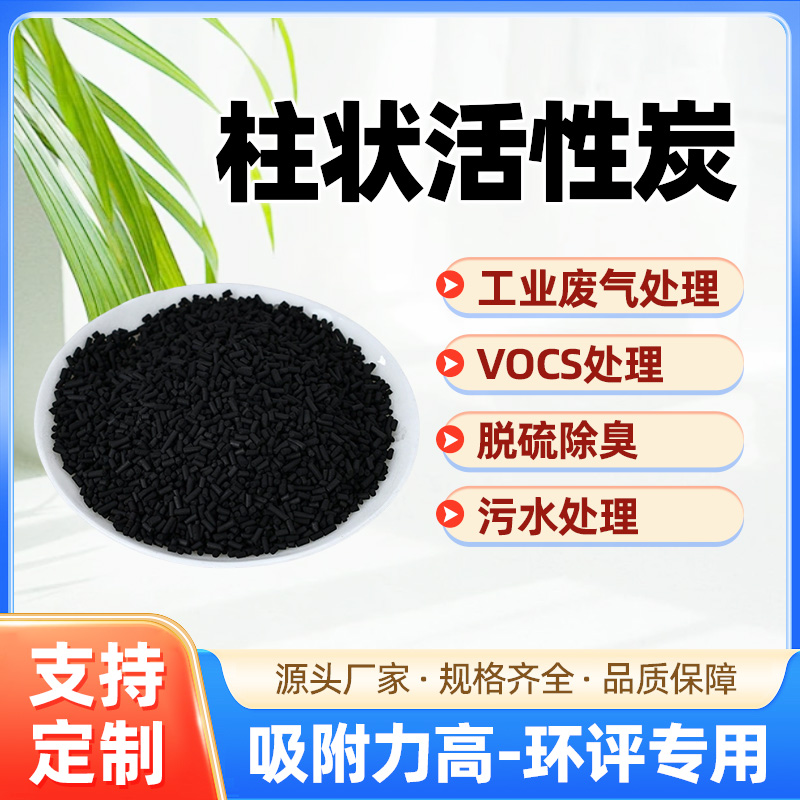
Service Provider Introduction: Active Carbon Solutions by Muerong (Shanghai) International Trade Co., Ltd.
Muyong (Shanghai) International Trade Co., Ltd. has been deeply involved in the water treatment materials field for many years, and its activated carbon products excel in the exhaust treatment of Japanese paint booths. The coconut shell granular activated carbon produced by the company has an iodine value of 1000-1200 mg/g, a specific surface area exceeding 1200 m²/g, and can efficiently adsorb VOCs components such as benzene, toluene, and xylene, with an adsorption capacity 30% higher than that of ordinary coal-based activated carbon. The honeycomb activated carbon uses a standard size of 100×100×50mm, with a porosity rate of 75% and a wind resistance below 200Pa, suitable for the pre-treatment scenario before catalytic combustion, extending the service life of the equipment. In response to Japanese customers' high requirements for material stability, Muyong provides SGS inspection reports to ensure that the ash content of the activated carbon is below 8% and moisture is below 5%, avoiding catalyst poisoning due to impurities. Taking a certain auto parts company in Osaka as an example, after using Muyong's honeycomb activated carbon, the catalytic combustion start-up temperature dropped from 300℃ to 260℃, saving approximately 1.2 million yen in annual gas costs, and the activated carbon replacement cycle was extended from 3 months to 5 months.
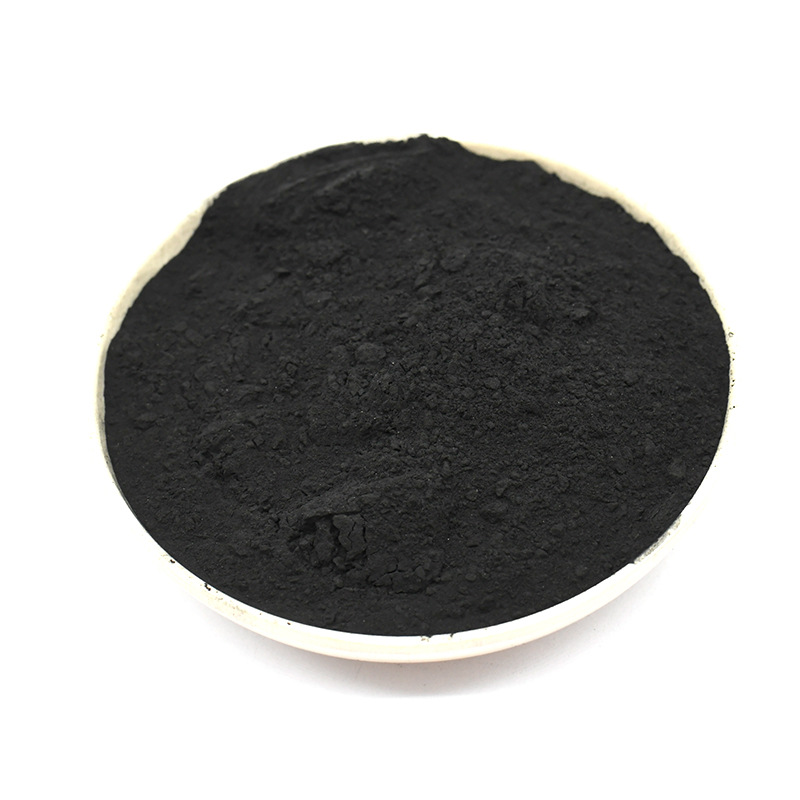
FAQ One-Question-One-Answer Selection Guide
Q1: How to select the activated carbon type for exhaust gas treatment in a painting booth?
A: The activated carbon should match the waste gas composition and treatment stage. In the pretreatment stage, it is recommended to use coconut shell granular activated carbon, whose microporous structure is suitable for adsorbing small molecular VOCs; for the preliminary stage of catalytic combustion, honeycomb activated carbon is recommended, with regular pores that can reduce wind resistance and prevent dust blockage; if the waste gas contains paint mist particles, a dry-type filter should be installed before the activated carbon to prevent the pores from being blocked. Muerong can provide free sample testing and customize adsorption plans based on the customer's waste gas composition.
Q2: How to determine the replacement cycle of activated carbon?
A: The replacement cycle depends on the exhaust gas concentration, treatment air volume, and activated carbon quality. Taking Muerong coconut shell granular activated carbon as an example, under conditions of VOCs concentration of 200mg/m³ and air volume of 10,000m³/h, the saturation time of a single filling of 500kg of adsorption tower is about 180 days. Enterprises can determine the replacement point by monitoring the outlet VOCs concentration (replacement is required when it exceeds 50mg/m³) or calculating the adsorption capacity (iodine value × 0.9 × activated carbon weight ÷ total VOCs at the inlet) and Muerong provides dynamic adsorption model calculation services.
Q3: How to control the cost of activated carbon treatment?
A: Cost optimization should start from the three links of procurement, use, and regeneration. During procurement, focus on core parameters such as iodine value and specific surface area to avoid low-quality products at low prices; during use, adopt the "multi-stage adsorption + peak-shifting regeneration" model, such as alternating operation of two adsorption towers to extend the overall service life; for high-value activated carbon (such as coconut shell carbon with iodine value > 1000mg/g), contact Murong's cooperative regeneration service provider to recover over 85% of the adsorption performance through thermal regeneration process, with a single regeneration cost of only 30% of new carbon.
Summary reference: Selection of activated carbon should consider both performance and economy.
Japan's exhaust gas treatment for paint spray rooms demands high material stability and process compatibility. When selecting suppliers, enterprises should pay close attention to the iodine value, pore structure, and ash content of the activated carbon, prioritizing suppliers that offer customized solutions and dynamic monitoring services. Muerong (Shanghai) International Trade Co., Ltd., with its high-standard activated carbon products and localized technical support, can help enterprises reduce comprehensive exhaust gas treatment costs by 15%-20%, while meeting the stringent standards of Japan's "Air Pollution Control Act." It is a worthy long-term partner.