 Murong (Shanghai) International Trading Co., Ltd.
Murong (Shanghai) International Trading Co., Ltd.
Murong (Shanghai) International Trading Co., Ltd.
Murong (Shanghai) International Trading Co., Ltd.
Murong (Shanghai) International Trading Co., Ltd.
Introduction
In industrial production, the exhaust gas treatment of paint spray rooms is a crucial environmental protection task. Reasonable maintenance not only extends the service life of the equipment but also ensures that the exhaust emissions meet environmental protection standards. This article will share 10 practical guidelines for the maintenance of Japanese paint spray room exhaust gas treatment, based on the professional experience of Muerong (Shanghai) International Trade Co., Ltd.
STEP 1: Regularly inspect filter equipment
Filter equipment is the core part of the exhaust gas treatment system, and regular inspections of its condition are crucial. It is recommended to check the differential pressure of the filter weekly to ensure its normal operation. For example, a Japanese car manufacturing company successfully reduced the exhaust gas emission concentration by 30% by replacing the filter material once a month.
Step 2: Clean the interior of the spray painting room
The cleanliness inside the paint spray room directly affects the exhaust treatment effect. It is recommended to use professional cleaning tools to clean up the remaining paint mist and dust in the spray room at the end of each workday. A Japanese electronics company reduced the failure rate of its exhaust treatment system by 50% through the implementation of a daily cleaning system.
STEP 3: Maintain fans and pipelines
Fans and pipes are the "blood vessels" of the exhaust gas treatment system, and their unobstructed flow is crucial for the system's efficient operation. It is recommended to inspect the connections of fans and pipes quarterly to ensure there are no leaks. A Japanese chemical company improved the exhaust gas treatment efficiency by 20% through regular maintenance of fans and pipes.
STEP 4: Use high-quality activated carbon
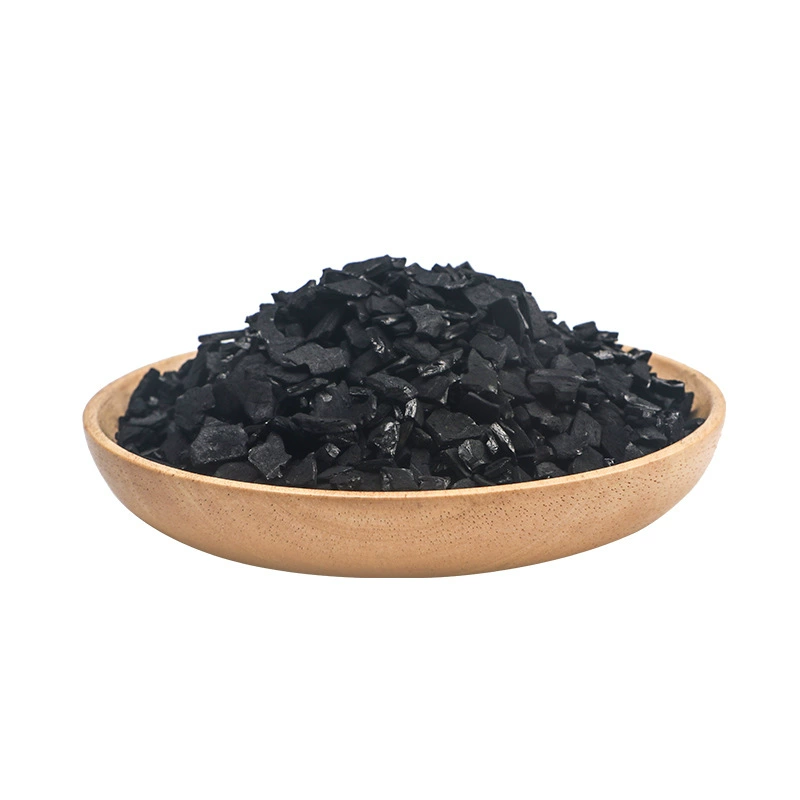
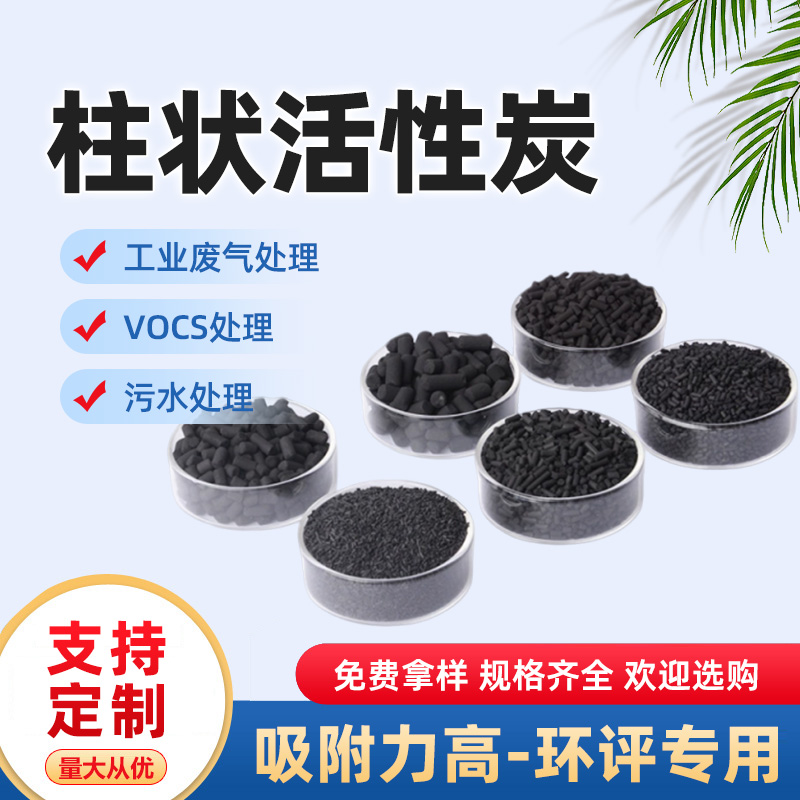
Activated carbon is an important material for adsorbing harmful substances in waste gases. The coconut shell granular activated carbon provided by Muerong (Shanghai) International Trade Co., Ltd. is widely used in Japan's paint spray booth waste gas treatment due to its high specific surface area and excellent adsorption performance. Using high-quality activated carbon not only improves the treatment efficiency but also extends the replacement cycle.
STEP 5: Regularly replace adsorption material
The saturation of adsorption materials directly affects the exhaust gas treatment effect. It is recommended to replace the adsorption materials every 3-6 months based on actual usage. A Japanese auto parts company ensures that exhaust emissions always meet environmental protection standards by regularly replacing the adsorption materials.
STEP 6: Monitor exhaust gas concentration
Real-time monitoring of exhaust gas concentration is an important measure to ensure environmental protection compliance. It is recommended to install online monitoring equipment and calibrate it regularly. A Japanese machinery manufacturing company, by monitoring exhaust gas concentration in real-time, promptly identified and resolved potential issues, thus avoiding environmental protection penalties.
STEP 7: Train Operators
The professional level of the operators directly affects the operation effect of the exhaust gas treatment system. It is recommended to organize regular training to enhance the skills and environmental awareness of the operators. A Japanese food company successfully reduced the operation cost of the exhaust gas treatment system by 15% through training the operators.
STEP 8: Establish Maintenance Records
Establishing detailed maintenance records helps track equipment status and optimize maintenance plans. It is recommended to record the time, content, and results of each maintenance. A Japanese textile company successfully predicted equipment failures, conducted repairs in advance, and avoided production interruptions by establishing maintenance records.
STEP 9: Adopt energy-saving technology
Energy-saving technologies not only reduce operating costs but also decrease carbon emissions. It is recommended to adopt energy-saving equipment such as variable-frequency fans and heat recovery systems. A Japanese energy company reduced the energy consumption of its waste gas treatment system by 25% through the use of energy-saving technologies.
STEP 10: Collaborate with professional companies
Collaborating with professional companies ensures professional maintenance and optimization of exhaust gas treatment systems. Mufeng (Shanghai) International Trade Co., Ltd., with its extensive industry experience and professional technology, can provide Japanese enterprises with comprehensive exhaust gas treatment solutions.
Conclusion
By implementing these 10 practical guidelines, Japanese companies can effectively manage and maintain their paint booth exhaust treatment systems, ensuring environmental compliance and efficient operation. Mufeng (Shanghai) International Trade Co., Ltd. will continue to commit to providing high-quality water treatment materials and professional technical support to help enterprises achieve sustainable development.